
Guangzhou Concord Cancer Center Invited to Attend PTCOG-AO 2025 Annual Meeting, Bringing Together Global Leaders in Proton Therapy
Leaders Gather to Advance Proton Therapy: Guangzhou Concord Cancer Center Showcases Its Expertise at PTCOG-AO 2025
Bringing together leading experts from across the globe, the 5th Annual Meeting of the Particle Therapy Co-Operative Group – Asia Oceania (PTCOG-AO 2025) successfully concluded in Hong Kong, China, from November 7 to 9. As one of Asia’s most prominent emerging proton therapy institutions, Guangzhou Concord Cancer Center was invited to attend the conference, where it shared its insights and best practices—known as the “Concord Experience”—in clinical proton therapy, quality management, and patient-centered services.
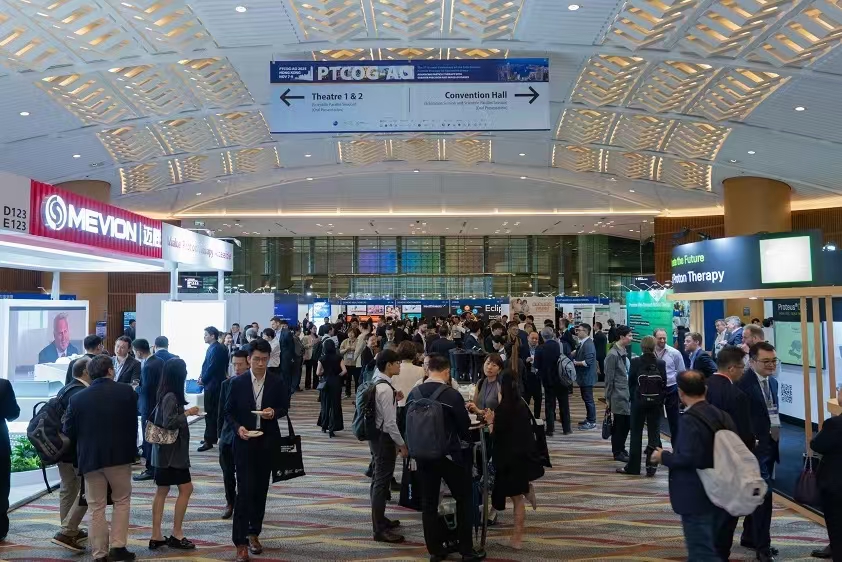
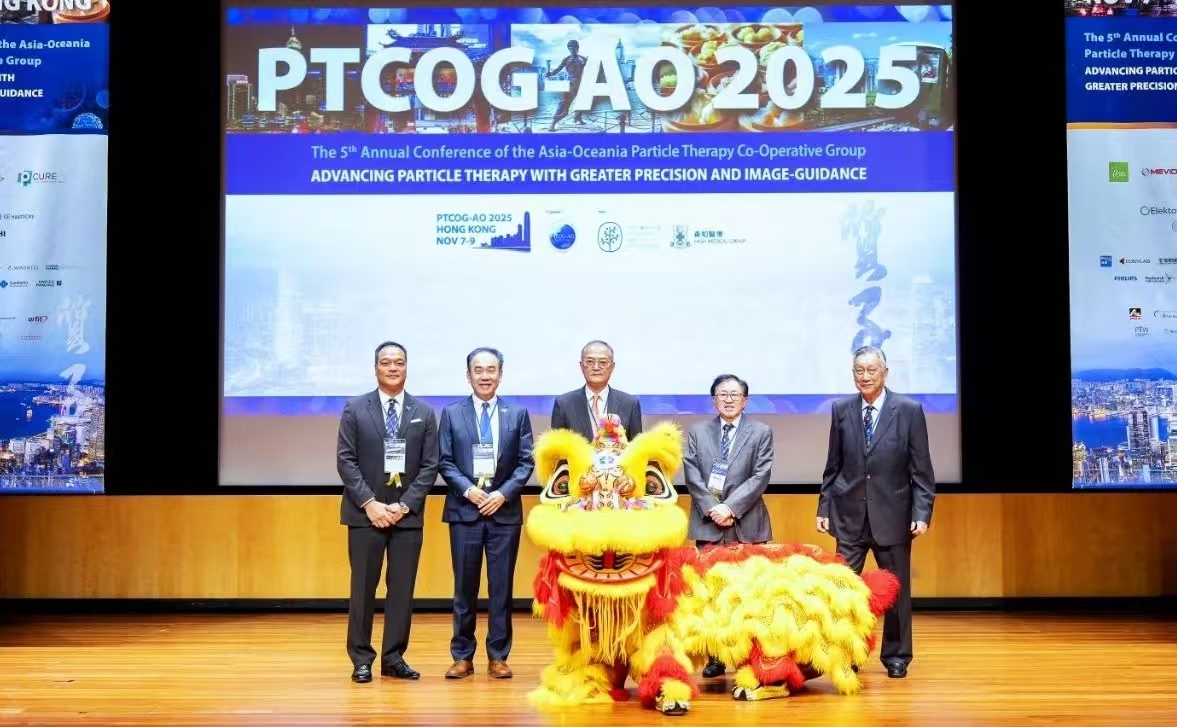
Co-hosted by the Lee Shiu Fun Medical Foundation and Hong Kong Sanatorium & Hospital, and coordinated by the Particle Therapy Co-Operative Group – Asia Oceania (PTCOG-AO), this year’s annual meeting centered on the theme “Advancing Precision Particle Therapy and Image-Guided Technologies.”
The event brought together more than 30 leading experts in particle therapy and attracted nearly 600 participants from 16 countries and regions. Academic leaders, clinicians, medical physicists, and other professionals convened to exchange insights on the latest scientific findings, clinical advancements, and technological innovations in particle therapy—collectively charting a new blueprint for precision cancer treatment.
The conference featured a rich and comprehensive agenda, including educational courses, keynote lectures, academic seminars, and expert forums. Discussions covered a wide range of topics, such as physics, image guidance, dosimetry, and best clinical practices in head and neck cancer, breast cancer, central nervous system tumors, gastrointestinal cancers, lung cancer, genitourinary cancers, and pediatric oncology.
Notably, more than two-thirds of all newly launched proton and heavy-ion therapy centers worldwide in the past five years have been established in Asia. In recognition of this trend, the conference introduced a special session titled “Emerging Institutions and Future Development in Asia–Oceania.” Guangzhou Concord Cancer Center, as one of the region’s most prominent emerging proton therapy providers, was invited to deliver a featured presentation.
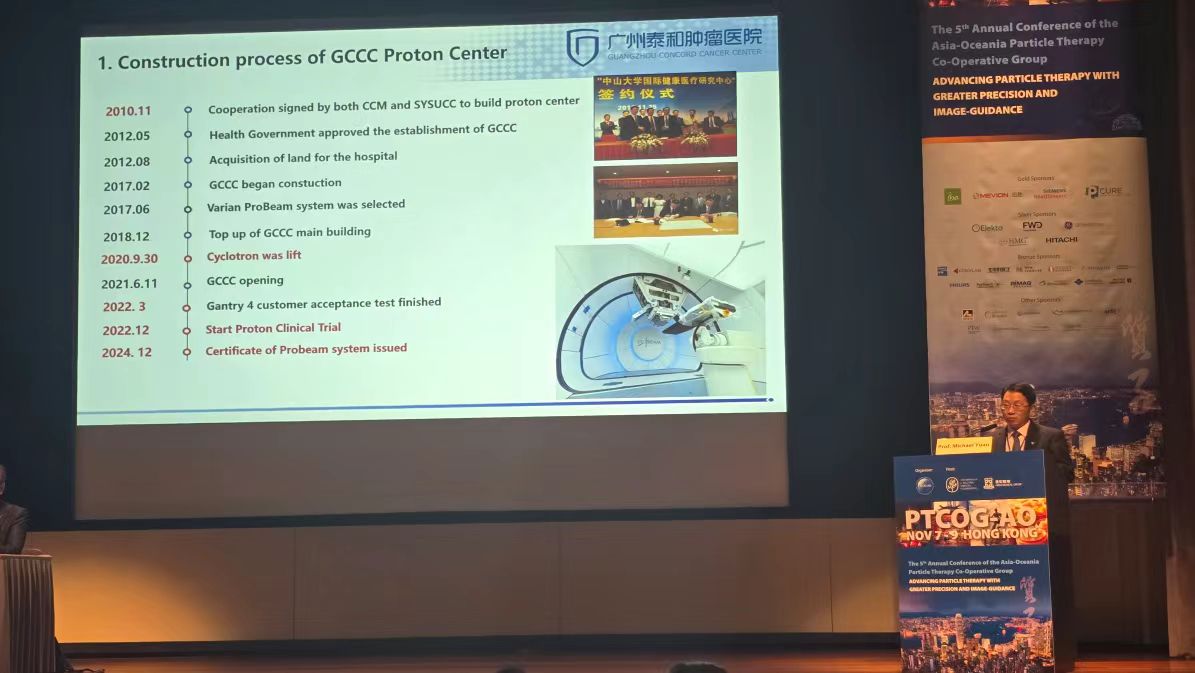
During the session, Dr. Yuan Taize, Director of Radiation Oncology, provided a systematic overview of the center’s accumulated experience since December 2024 in clinical services, quality assurance, and patient management. His report drew significant attention and recognition from attending experts.
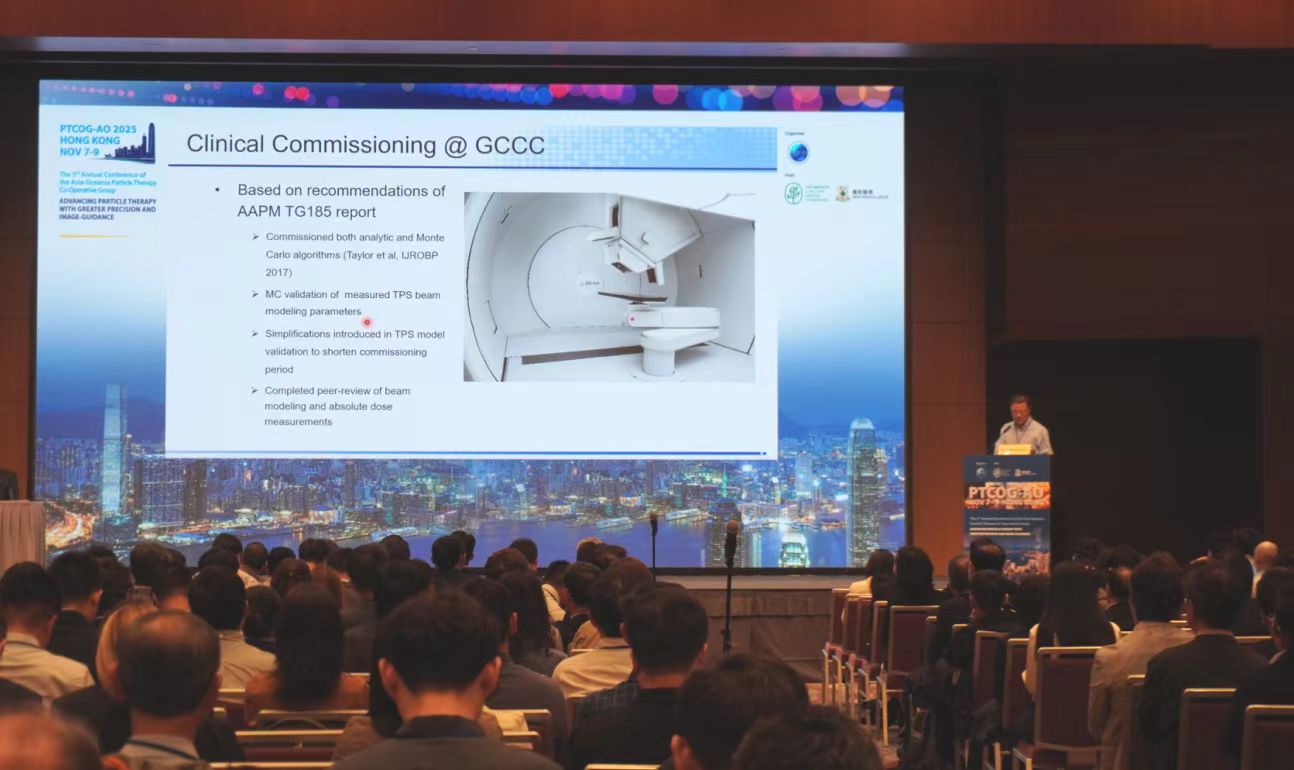
On the opening day of the program, Professor Li Zuofeng from the Department of Radiation Oncology at the University of Florida and consultant to Guangzhou Concord Cancer Center delivered a lecture titled “Clinical Commissioning of Proton Therapy Systems: Practical Considerations.” He provided a systematic overview of the standard procedures and key steps involved in the clinical commissioning and acceptance of proton therapy systems. Drawing on the actual commissioning experience of the proton system at Guangzhou Concord Cancer Center, Professor Li further elaborated on the core considerations in real-world applications.
In addition, research led by Professor Zheng Yuanshui, Deputy Chief Medical Physicist of the Radiation Oncology Department at Guangzhou Concord Cancer Center, was selected for an oral presentation in the Physics Session. His presentation, titled “Adaptive Proton Therapy for Head and Neck Cancer Using Intensity Modulated Proton Therapy: Frequency, Criteria and Practical Considerations,” highlighted the hospital’s valuable experience in proton therapy for head and neck cancers.
Professor Zheng’s team also showcased their advancements in respiratory‐gated proton therapy through an electronic poster presentation at the conference.
Director Yuan Taize concluded:
“This conference was not only an exchange of technology, but also a convergence of ideas. We greatly value the opportunity to learn from global peers and to share our own experience. Particle therapy represents the future direction of radiation oncology. Guangzhou Concord Cancer Center will continue to advance the standardization of proton therapy and the personalization of treatment. Together with partners across the Asia-Pacific region and around the world, we aim to bring more precise and effective care — and new hope — to patients.”