
Cancer Spread to the Brain: A 66-Year-Old Hong Kong Engineer Travels North for Proton Therapy in a Life-Threatening Condition
In recent years, an increasing number of Hong Kong residents have chosen to seek medical treatment in Mainland China. Faced with substantial medical expenses, Mainland healthcare — driven by its significant cost advantage — has become an alternative pathway for many middle- and even working-class families in Hong Kong.
Beyond differences in drug approval systems and operational costs, the wider availability of advanced medical technologies is also a key factor. Take proton therapy as an example, a highly precise cancer treatment that can effectively destroy cancer cells while significantly reducing damage to surrounding healthy tissue. In Hong Kong, such treatment is primarily available at Hong Kong Sanatorium & Hospital, with a full course costing approximately HKD 140,000 to 460,000.
In contrast, access to such advanced treatment in the Greater Bay Area offers a potential lifeline for families facing life-threatening conditions.
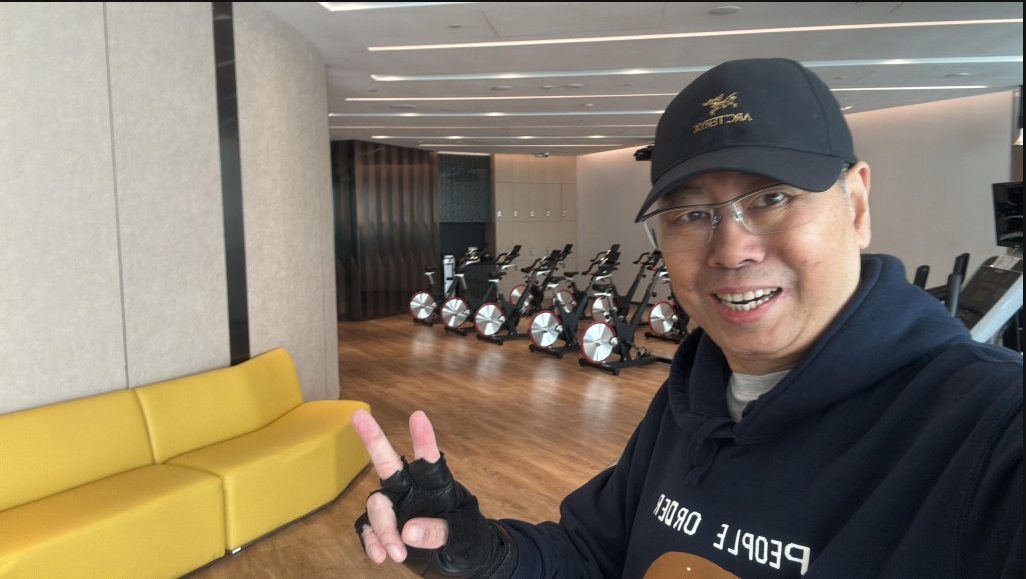 Mr. Lu at the gym, maintaining an active lifestyle despite his cancer diagnosis. "I most want to thank my wife for taking care of me."
Mr. Lu, a 66-year-old retired MTR engineer, once enjoyed a vibrant lifestyle filled with gym workouts, golf, and Chinese painting.
However, in October 2024, he was diagnosed with lung cancer, and his peaceful retirement life was abruptly shattered.
At the early stage of diagnosis, the cancer had already metastasized, compressing an approximately 2 cm area near his pituitary gland. He immediately underwent five sessions of radiotherapy at St. Teresa's Hospital in Hong Kong.
In February 2025, metastasis was also found in his left pelvis, requiring further radiotherapy at the same hospital. By June of the same year, another lesion appeared in his lumbar spine, again requiring radiation treatment in Hong Kong.
His anti-cancer journey has been far from smooth. At the time, Mr. Lu was on a third-generation targeted therapy drug, but soon developed approximately 15% drug resistance.
At the beginning of his treatment journey, his attending physician suggested purchasing targeted therapy drugs in Shenzhen, where he discovered a striking price difference between Hong Kong and Mainland China:
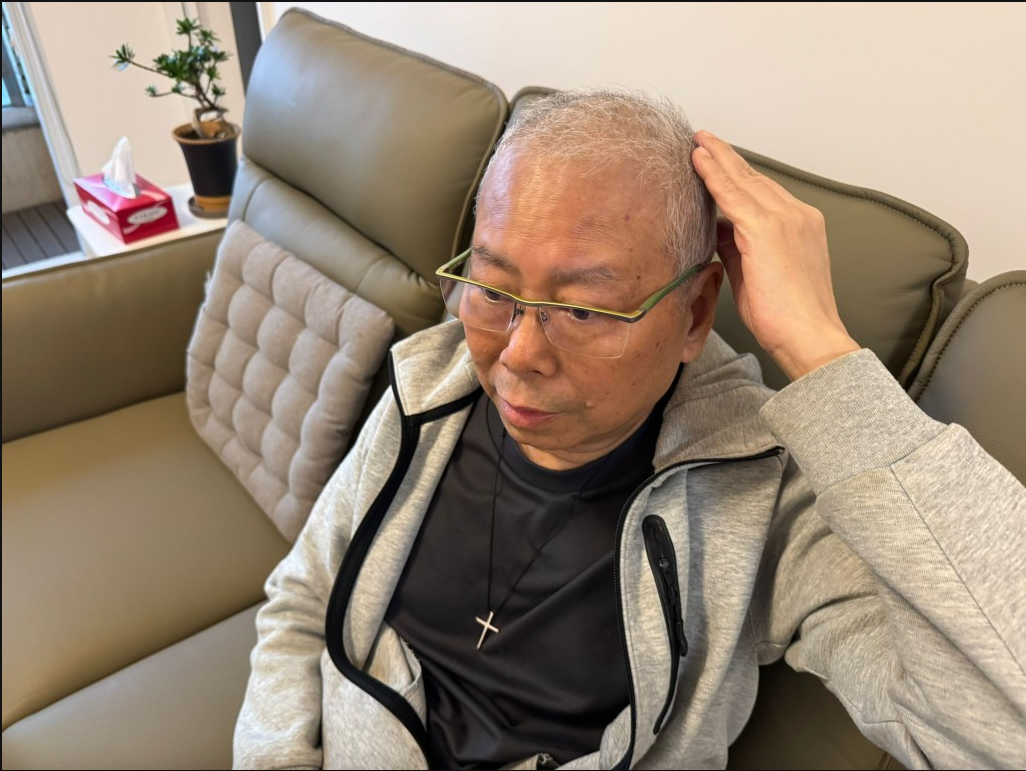 Mr. Lu during his early treatment period in Hong Kong, reflecting on the challenges ahead.
"At Queen Elizabeth Hospital in Hong Kong, it costs around HKD 35,000 per month. But at HKU Shenzhen Hospital, it is only about HKD 5,000 per month." — Mr. Lu, on targeted therapy drug costs
Between June and August 2025, Mr. Lu switched to an anti-cancer drug called Furmonertinib.
Unfortunately, in October of the same year, a new tumor was detected in his brain. He then decided to fully transition to Mainland China's healthcare system and underwent 10 sessions of radiotherapy at HKU Shenzhen Hospital.
This cross-border treatment gave him a clear understanding of the significant cost gap between the two systems:
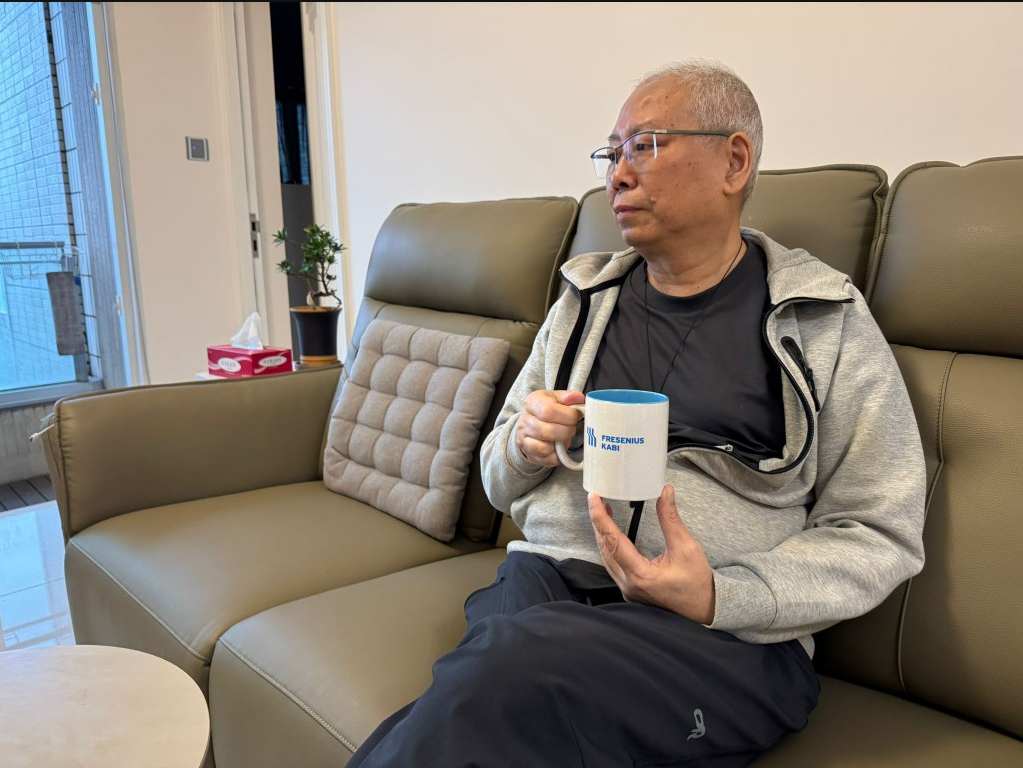 Mr. Lu at home, reflecting on the significant cost differences between Hong Kong and Mainland healthcare.
"Ten sessions of radiotherapy in Shenzhen cost around HKD 60,000. If done in Hong Kong, it would easily be around HKD 300,000. That's 5 to 6 times more expensive." — Mr. Lu
After completing radiotherapy, the Shenzhen medical team also performed a lung biopsy and DNA testing. The results revealed that his original non-small cell lung cancer had evolved into small-cell lung cancer at the same location in the left lung.
The precision DNA test in Shenzhen cost RMB 20,000. In contrast, a similar test in Hong Kong cost him up to HKD 100,000:
"The price difference is fivefold. It's very real." — Mr. Lu
He expressed his most honest concern:
"Why did I make up my mind to go north for treatment? Because I had no insurance left. It's not about spending another HKD 50,000 or 60,000 and being cured. This is a long-term battle. You have to live with cancer." — Mr. Lu
In January 2026, Mr. Lu began experiencing dizziness. Initially mild and infrequent, the symptoms worsened rapidly within two weeks and began affecting daily life.
At that time, Chinese New Year was only two weeks away. Upon inquiry at HKU Hospital, he was informed that the tumor was compressing his brainstem, and due to prior radiotherapy sessions, the area could no longer tolerate conventional radiation treatment.
"It was a Friday when I contacted a doctor at Guangzhou Concord Cancer Center (GCCC) through a friend. The doctor immediately arranged an appointment for Monday."
He made a decisive move and took a high-speed train to Guangzhou on Monday morning.
After evaluation, the doctor confirmed that treatment was possible and recommended 10 sessions of advanced proton therapy.
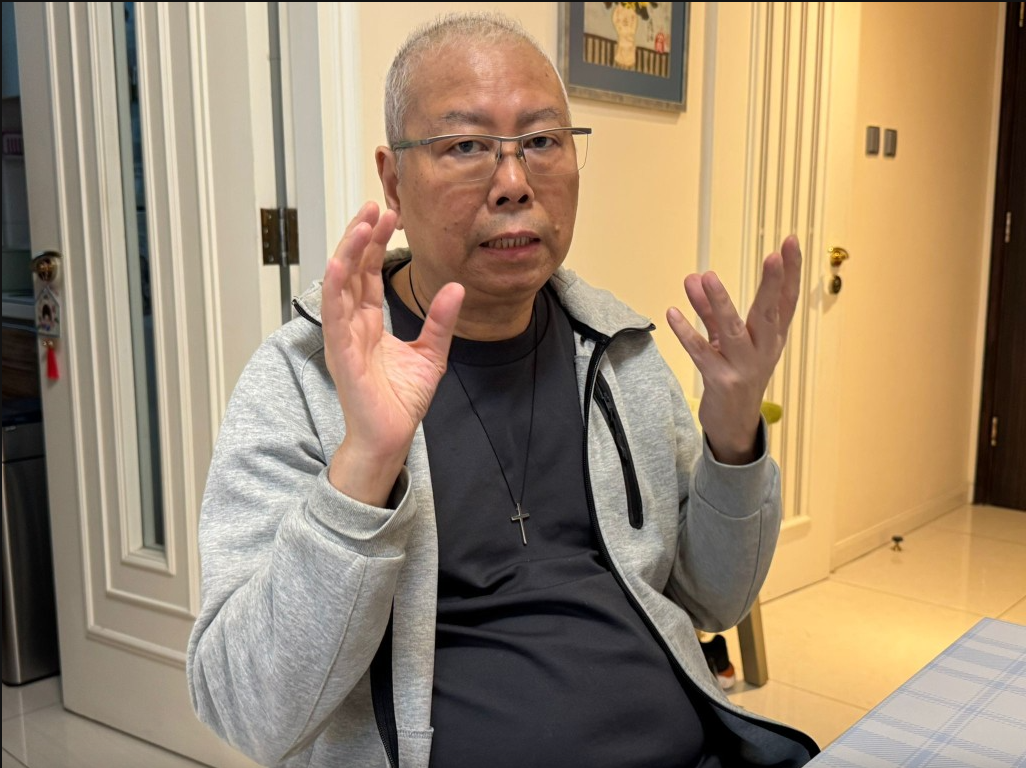 Mr. Lu sharing his experience of seeking proton therapy at Guangzhou Concord Cancer Center.
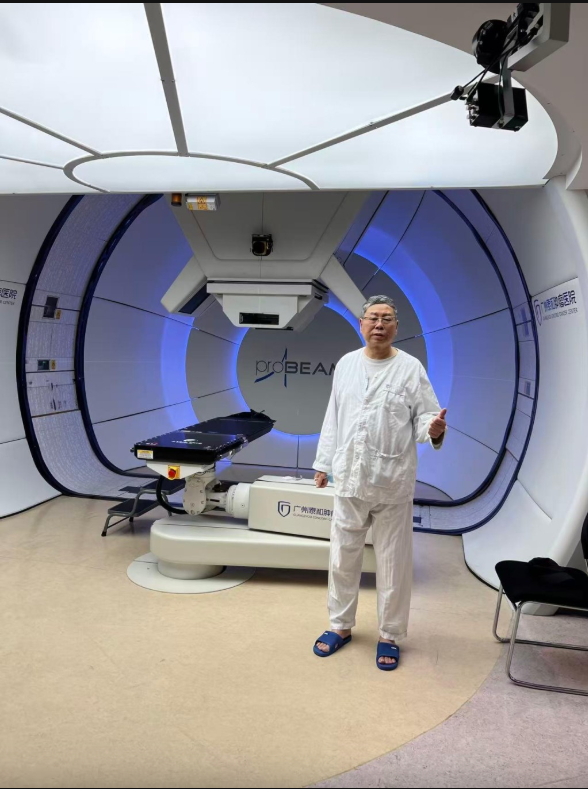 Mr. Lu at the ProBeam proton therapy system at Guangzhou Concord Cancer Center.
To ensure precision, the hospital custom-made a head-fixation mask and dental mold:
"You have to bite the dental mold. Your head, neck, and teeth must remain completely still." — Mr. Lu, on proton therapy preparation
Preparation was completed on Monday, and treatment began on Wednesday.
Comparing proton therapy with conventional radiotherapy, he explained:
"Radiotherapy is like a direct train — the radiation passes through the body. But proton therapy is advanced: once it reaches the tumor, it stops, without damaging surrounding healthy tissue. It's extremely precise." — Mr. Lu
He added humorously:
"If there is any pain, it's the financial kind. The full course cost RMB 190,000, including doctor fees, planning, and hospitalization." — Mr. Lu
He further remarked:
"Medical costs here are at least five times lower than in Hong Kong. A cup of tea may differ by one or two times, but healthcare differs by five times." — Mr. Lu
Proton Therapy vs. Conventional Radiotherapy:
Proton therapy uses the Bragg Peak effect to precisely deliver radiation to the tumor while stopping at the target, significantly reducing exposure to surrounding healthy organs. In Mr. Lu's case, this precision was critical as the tumor was compressing his brainstem — an area that could no longer tolerate conventional radiation.
After completing proton therapy, his dizziness resolved completely the next day, as the tumor no longer compressed the nerves, and there has been no recurrence since.
However, doctors in Guangzhou strongly advised that because this was already the third occurrence of brain metastasis, and due to the aggressive nature of small-cell lung cancer, he must undergo systemic chemotherapy immediately upon returning to Hong Kong.
Back in Hong Kong, he was referred by friends to undergo chemotherapy at Shenzhen Prince Bay Hospital, where he has completed four cycles (out of a planned four to six).
Although chemotherapy caused cumulative side effects — severe fatigue, loss of appetite, and low white blood cell counts requiring treatment delays — he still considers it worthwhile.
"After the third cycle of chemotherapy, my cancer marker dropped to a very low level, almost like a normal person." — Mr. Lu
This long and intense cross-border battle not only improved his physical condition but also deepened his gratitude toward his family.
Reflecting on his most difficult moments, he said:
"During the hardest time, when I returned to Mainland China for treatment, my family never left me. My wife supported me completely." — Mr. Lu
Having experienced this journey, Mr. Lu believes cross-border treatment provides more options for Hong Kong patients. In Hong Kong, proton therapy is only available at Hong Kong Sanatorium & Hospital, with costs often exceeding one million HKD, making it inaccessible for many.
In contrast, advanced treatment at facilities such as Guangzhou Concord Cancer Center has become more common, with experienced physicians and well-established systems.
He concluded:
"The Mainland healthcare system is absolutely trustworthy. The medical equipment in major hospitals in Shenzhen and Guangzhou is comparable to Hong Kong in terms of advancement and standards. Seeking treatment in the Mainland truly provides a new hope for survival for Hong Kong patients." — Mr. Lu